
Plan for Buildability Before Breaking Ground
Architectural planning support in the Carolinas that bridges design vision and construction feasibility.
When you work with an architect to design a home, you create drawings that show what the finished house will look like. Planning support adds a layer of practical insight by involving a builder early enough to identify issues before those drawings become final. This prevents situations where you approve plans that require costly revisions once construction begins because the design did not account for site conditions, structural requirements, or material limitations.
Harding Custom Homes, LLC provides planning support that helps you refine layouts, adjust details, and confirm that your design can be built as intended. This includes collaboration with architects and designers to address questions about structural integrity, livability, and long-term performance. The process is especially helpful for clients building on unique or challenging lots where site characteristics affect design decisions.
If you are in the planning phase and want to ensure your design is practical before moving forward, reach out to discuss how planning support could help your project in the Carolinas.
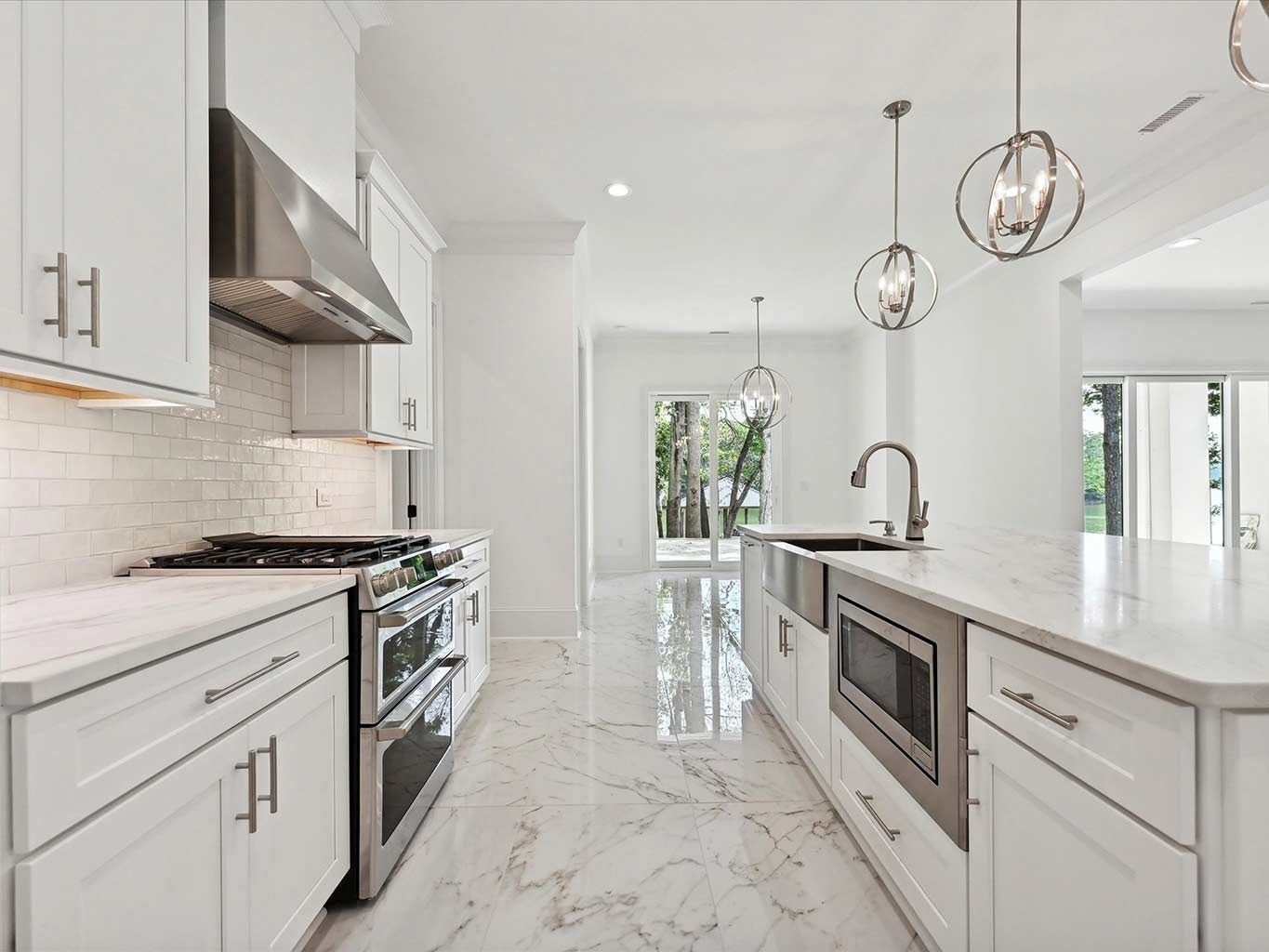
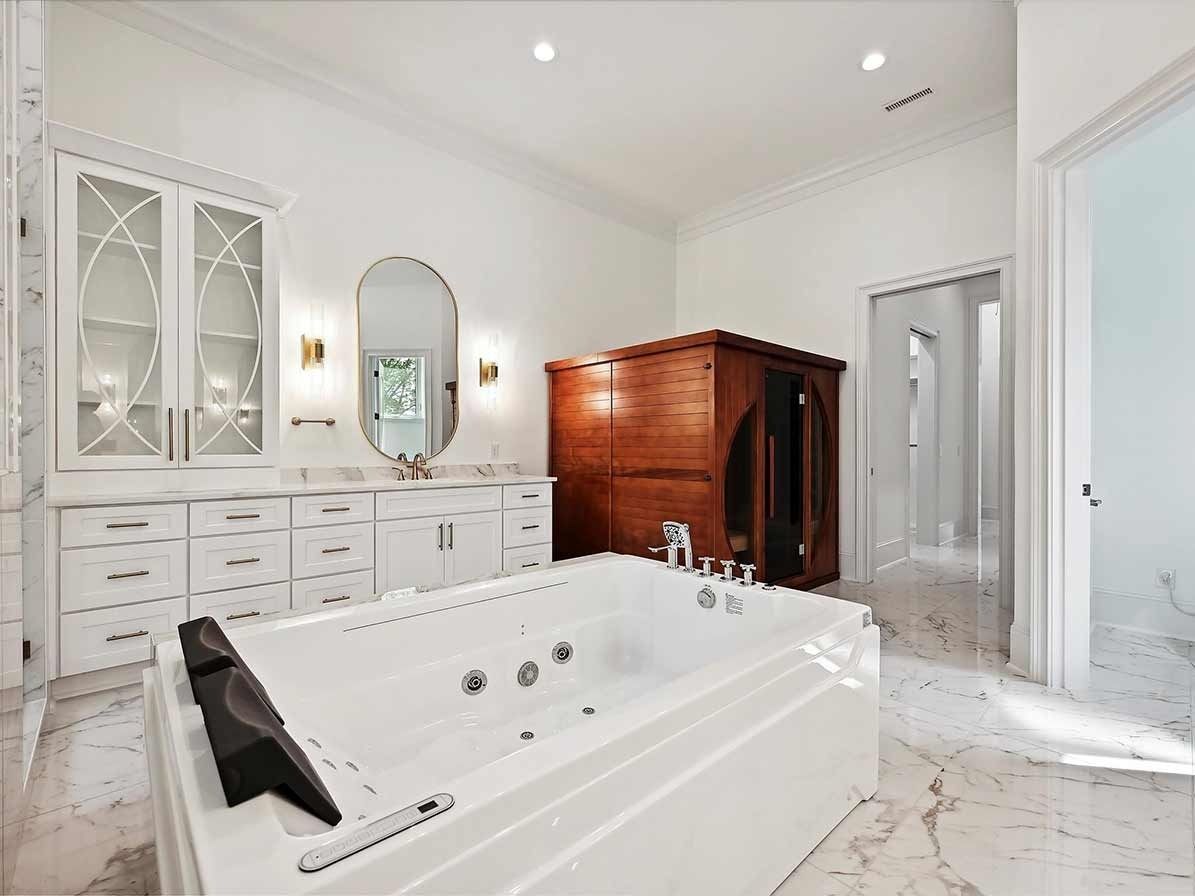
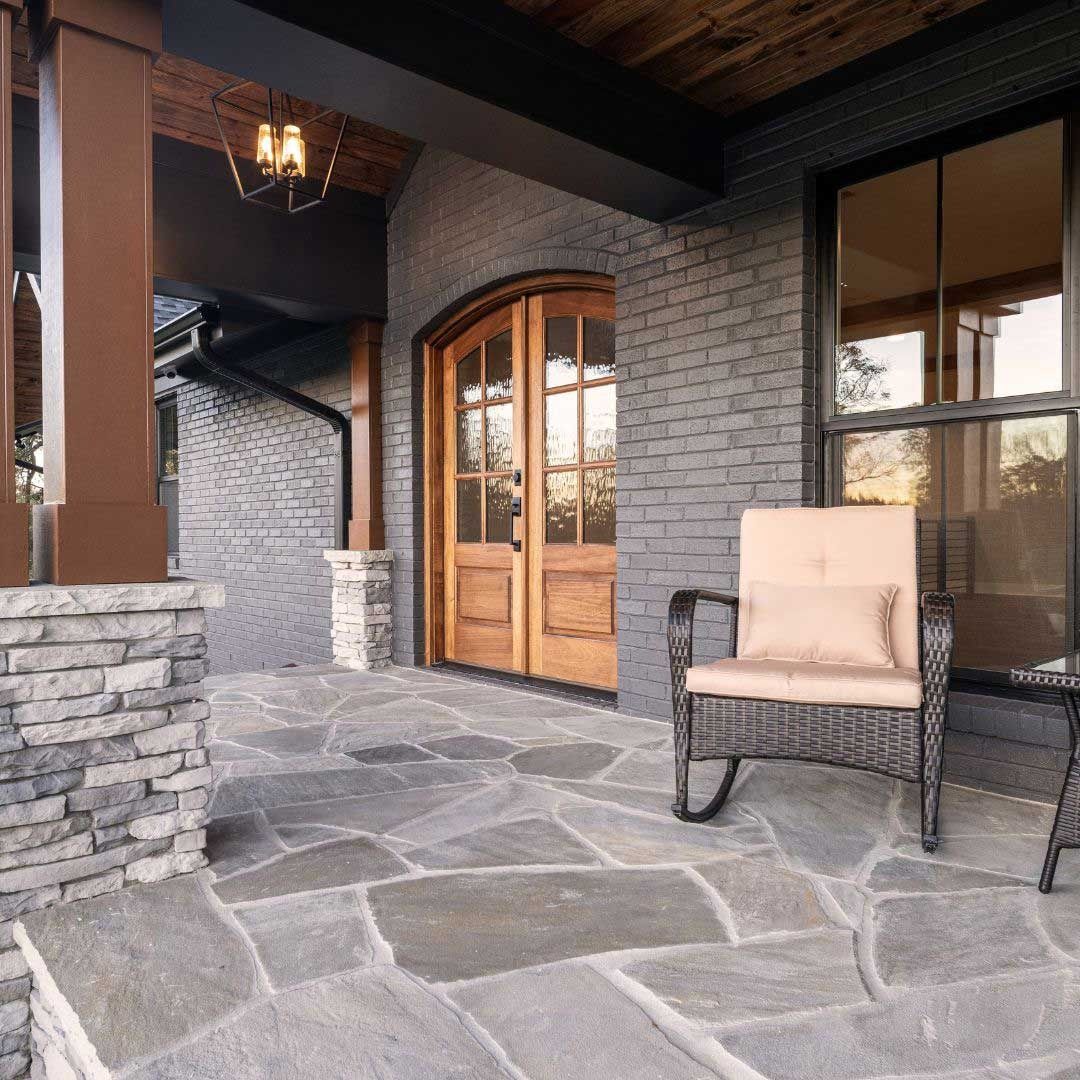
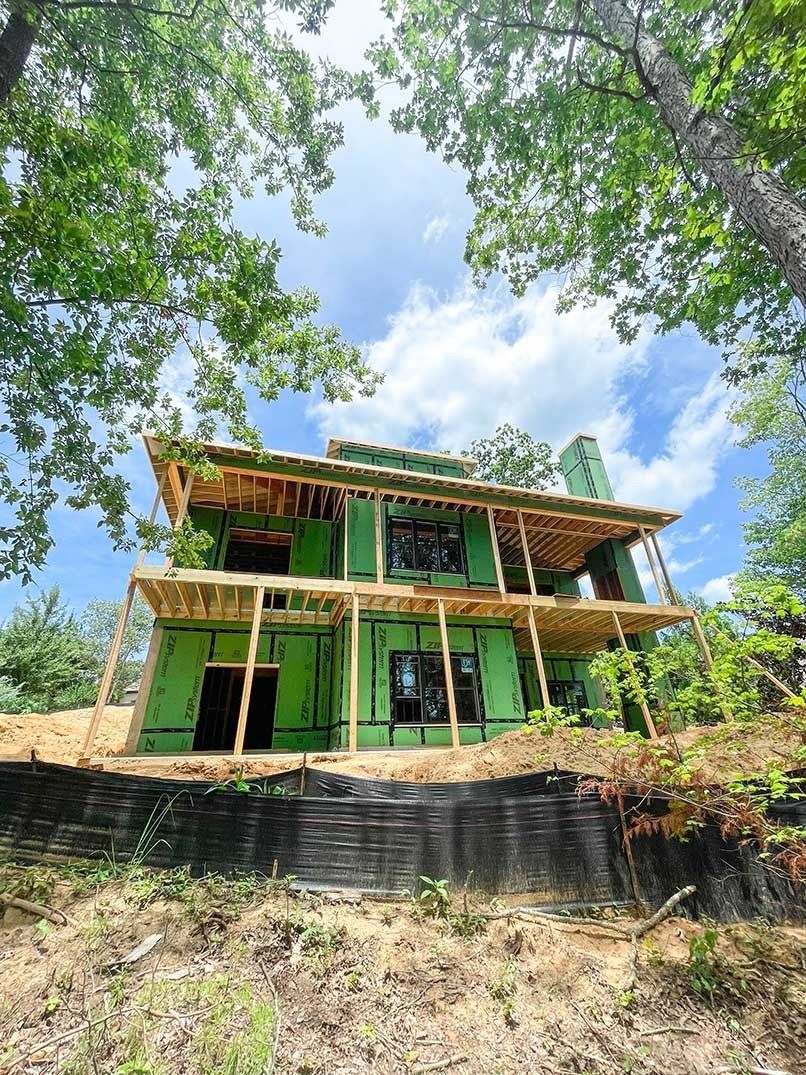
How Early Builder Involvement Prevents Later Problems
Architectural planning support in the Carolinas begins during design development, when the architect is still refining floor plans, elevations, and structural systems. You review proposed layouts with the builder, who provides feedback on whether ceiling heights work with planned roof pitches, whether mechanical systems fit within allocated spaces, and whether site grading affects foundation design.
After planning support, you move into construction with a design that has already been vetted for feasibility. Structural beams are sized correctly, windows are placed where framing allows, and material quantities are estimated accurately because someone familiar with construction reviewed the plans before they were finalized. You avoid change orders that stem from design oversights.
The support process involves site visits to assess topography, drainage, and access before the architect completes drawings. It includes discussions about material availability, installation methods, and how design choices affect construction timelines and costs. This approach ensures that the plans you approve reflect both your vision and the realities of building in Rock Hill, reducing the risk of surprises once construction begins.
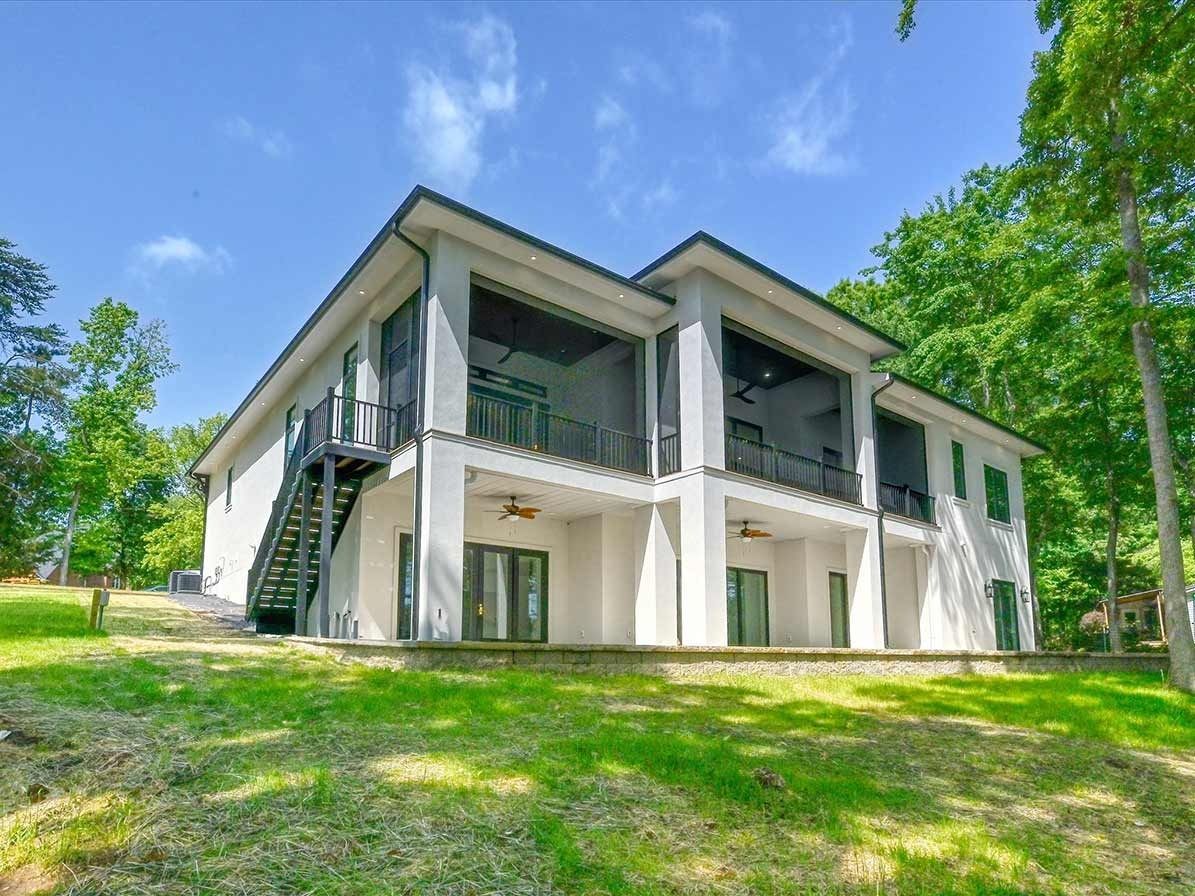
What Homeowners Want to Know About Planning Support
Clients who are new to custom builds or working with challenging lots often ask how planning support works and when it makes sense to involve a builder, so here are answers to questions that typically arise during early project discussions.
What does architectural planning support include?
Planning support includes site evaluation, design review, feasibility analysis, and collaboration with architects to refine layouts and structural details. The goal is to confirm that designs are practical, efficient, and aligned with site conditions before construction starts.
How does planning support prevent costly revisions?
Revisions are prevented by identifying design issues during planning rather than after construction begins. The builder reviews structural requirements, material constraints, and site challenges early, so the architect can adjust plans before they are finalized.
When should I involve a builder in the planning process?
You should involve a builder as soon as you have preliminary sketches or floor plans. Early involvement allows the builder to provide input before the design is fully developed, reducing the need for changes later and ensuring that plans reflect construction realities.
What makes planning support helpful for unique or challenging lots?
Challenging lots require careful attention to grading, drainage, foundation design, and access. Planning support ensures that these factors are addressed during design so that the home fits the site without requiring expensive site work or structural adjustments after construction starts.
Why does collaboration between architect and builder matter?
Collaboration ensures that design intent and construction feasibility are balanced throughout the project. The architect focuses on aesthetics and functionality while the builder confirms that proposed solutions can be built within budget and timeline, resulting in a better outcome for you.
If you are working with an architect on a custom home in the Carolinas and want to ensure your design is practical before construction begins, Harding Custom Homes, LLC offers planning support that helps refine layouts, confirm feasibility, and avoid costly changes down the line. Get in touch to schedule an early planning consultation.